
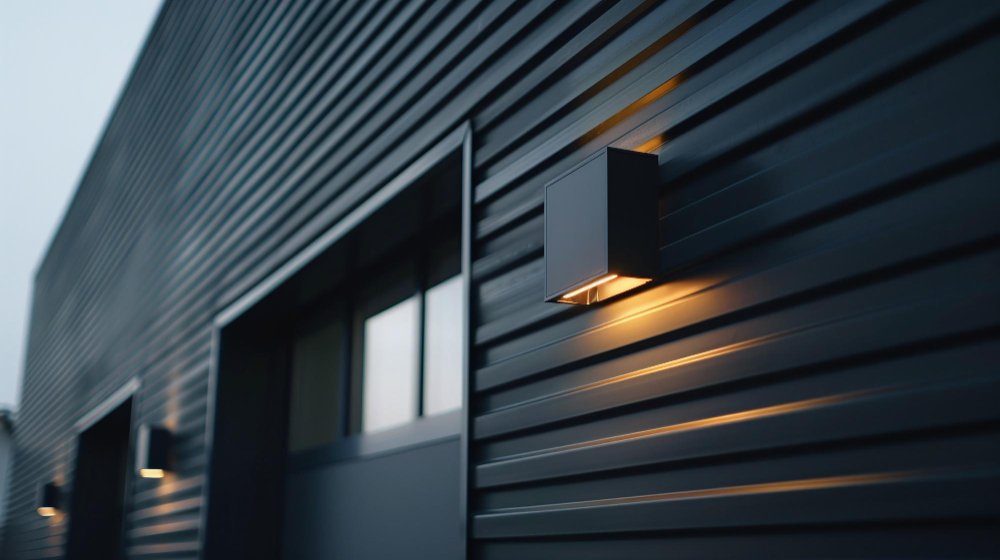
This guide explores whether aluminum siding remains a smart investment in today’s remodeling landscape.
What Are Aluminum Siding Panels?
Aluminum siding consists of lightweight metal sheets that are manufactured into exterior panels.
These Panels Are Designed To:
- Protect exterior walls
- Resist weather damage
- Improve curb appeal
- Reduce maintenance requirements
They are available in a variety of textures and finishes.
Why Aluminum Became So Popular
Aluminum gained popularity during the mid-twentieth century.
Homeowners Appreciated:
- Affordability
- Durability
- Lightweight installation
- Low maintenance
Many homes still feature original aluminum exteriors.
Advantages of Aluminum Siding
There are several reasons homeowners continue to choose this material.
Many homeowners researching aluminum siding panels prioritize durability and long-term performance.
Major Benefits Include:
- Fire resistance
- Pest resistance
- Weather durability
- Lightweight construction
These advantages remain relevant today.
Excellent Fire Resistance
Unlike some materials, aluminum does not burn.
This Can Provide:
- Added safety
- Greater peace of mind
- Improved resilience
Fire resistance is particularly valuable in certain regions.
Lightweight Yet Durable
Aluminum is easier to handle than heavier products.
Benefits Include:
- Simplified installation
- Reduced structural stress
- Efficient transportation
Proper installation remains essential.
Pest Resistance
Aluminum is naturally resistant to insects.
It Helps Prevent Damage From:
- Termites
- Wood-boring insects
- Rodents
This reduces long-term maintenance concerns.
Potential Drawbacks Homeowners Should Know
No siding material is perfect.
Common Concerns Include:
- Denting
- Fading
- Noise during storms
Understanding these limitations helps homeowners plan appropriately.
Can Aluminum Be Painted?
Yes, repainting is common.
Benefits of Repainting Include:
- Refreshing curb appeal
- Updating colors
- Extending lifespan
Use products specifically formulated for metal surfaces.
How Long Does Aluminum Siding Last?
With proper maintenance, aluminum can last:
- 40 to 50 years or longer
Longevity depends on:
- Climate conditions
- Installation quality
- Maintenance habits
Routine inspections are recommended.
How It Compares to Other Siding Materials
Aluminum Advantages
- Lightweight
- Fire resistant
- Pest resistant
Vinyl Advantages
- Lower maintenance
- Color consistency
Fiber Cement Advantages
- Exceptional durability
- Wood-like appearance
Every material has strengths.
How Exterior Remodeling Increases Property Value
Updated exteriors consistently attract buyers.
Benefits include:
- Enhanced curb appeal
- Improved weather protection
- Lower maintenance expectations
- Greater buyer confidence
Quality siding significantly influences resale value.
Professional Installation Matters
Experienced contractors ensure optimal performance.
Professionals Provide:
- Proper weather barriers
- Accurate alignment
- Secure fastening
- Code compliance
Poor installation may lead to moisture problems.
Many homeowners researching aluminum exterior siding panels discover that expert installation dramatically improves durability and appearance.
Questions Homeowners Should Ask
- What climate do I live in?
- What is my remodeling budget?
- How much maintenance do I prefer?
- Should I repaint existing siding?
- How long will I stay in this home?
These answers simplify decision-making.
Tips for Long-Term Maintenance
- Inspect annually
- Wash surfaces regularly
- Repair dents promptly
- Repaint when necessary
Preventive maintenance protects your investment.
Final Thoughts
Aluminum siding panels remain a practical and durable option for homeowners seeking long-lasting exterior protection.
Although newer products dominate the market, aluminum continues to provide impressive fire resistance, low maintenance, and timeless curb appeal.
By carefully evaluating aluminum siding panels before beginning a remodeling project, homeowners can choose an exterior solution that balances affordability, durability, and long-term value.