
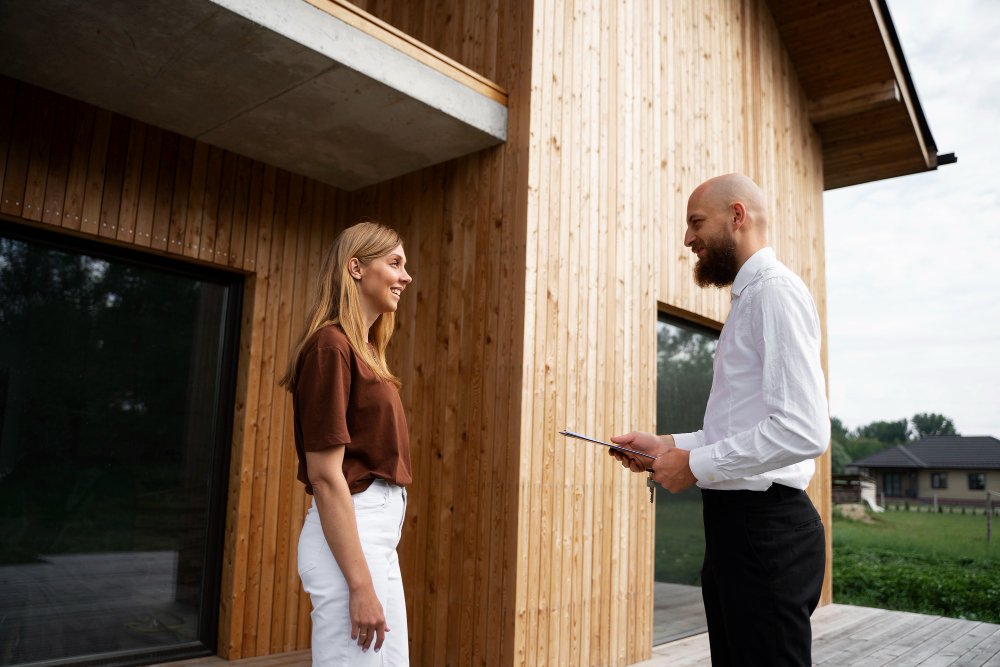
Few decisions reshape the way a family lives as profoundly as expanding a home. Moving to a larger property is no longer the automatic solution it once was. Instead, homeowners are asking a more thoughtful question: What if the home we already love could evolve with us?
That shift in thinking has transformed home additions from purely practical construction projects into highly personalized design investments. Today’s expansions are expected to do much more than create additional square footage—they must preserve architectural character, improve everyday functionality, increase long-term property value, and feel as though they were always part of the original residence.
The most successful additions do not announce themselves. They quietly enhance how a home lives, breathes, and welcomes the people inside.
“The finest home additions do not feel new—they feel inevitable.”
EDITOR’S NOTE
Today’s luxury is not measured by bigger homes alone. It is measured by smarter homes—spaces designed to adapt to changing lifestyles while maintaining architectural authenticity.
Modern home additions are no longer about adding rooms. They are about adding possibilities.
Designing Space That Belongs
The biggest mistake homeowners make is assuming an addition begins with blueprints. In reality, it begins with lifestyle.
Does your family need a brighter gathering space? A private office? A guest suite for aging parents? A second-story retreat that creates separation between busy and quiet zones? Each answer leads to a completely different architectural solution.
Rather than forcing new construction onto an existing house, experienced designers begin by studying the home’s proportions, rooflines, circulation patterns, and natural light. Every decision—from window placement to ceiling height—should reinforce the home’s existing character.
- Improving daily functionality
- Preserving architectural consistency
- Increasing natural light
- Creating better circulation
- Supporting future lifestyle changes
DESIGN HIGHLIGHT
Homes with seamless transitions between existing and newly added spaces generally feel larger, more balanced, and significantly more valuable than additions that appear visually disconnected.
Perhaps the greatest compliment an architect can receive is hearing someone ask, “Was this always part of the house?”
That question reflects true design success.
Where Craftsmanship Meets Long-Term Value
Adding square footage without improving quality rarely creates lasting value. Premium additions succeed because every visible finish is supported by invisible craftsmanship.
Structural engineering, proper insulation, moisture management, electrical planning, HVAC integration, and foundation work determine whether an addition performs beautifully for decades—or develops costly problems only a few years later.
Today’s homeowners are also demanding smarter performance.
Large energy-efficient windows maximize daylight while reducing energy consumption. Advanced insulation systems improve indoor comfort throughout every season. Durable exterior materials require less maintenance while preserving curb appeal for years to come.
“Luxury is never defined by size alone. It is defined by how effortlessly every detail works together.”
EDITORIAL SIDE NOTE
Architects increasingly recommend investing in premium building envelopes before luxury finishes. Superior insulation, weatherproofing, and structural precision deliver returns long after decorative upgrades begin to age.
When craftsmanship becomes the foundation instead of an afterthought, homeowners gain something more valuable than additional rooms—they gain confidence in every square foot.
Expanding Lifestyle, Not Just Square Footage
The conversation surrounding home additions has changed dramatically over the past decade. Families no longer measure success by the number of rooms they own. They measure it by how comfortably those rooms support everyday life.
Flexible guest suites become future in-law accommodations. Home offices transform into creative studios. Sunrooms evolve into year-round gathering spaces. Children’s playrooms eventually become media rooms or home libraries.
The most valuable additions are designed with change in mind.
Natural light has become equally important. Oversized windows, sliding glass walls, skylights, and seamless indoor-outdoor transitions create homes that feel healthier, calmer, and more connected to their surroundings. Wellness has quietly become one of residential architecture’s defining priorities.
HIGHLIGHT
The highest-performing home additions balance five priorities simultaneously:
- Architectural consistency
- Long-term durability
- Energy efficiency
- Flexible living spaces
- Timeless design
This philosophy represents the future of residential remodeling. Instead of building larger homes, homeowners are building better ones.
Beyond Construction, Toward Lasting Legacy
Great architecture has always shared one remarkable quality—it adapts gracefully to the people who live inside it.
Home additions represent that philosophy perfectly. They acknowledge that families evolve, careers change, children grow, parents age, and lifestyles shift. Rather than abandoning meaningful places, homeowners are choosing to thoughtfully reinvent them.
“The most inspiring homes are never frozen in time—they continue growing alongside the people who call them home.”
When planned with vision, executed with precision, and guided by exceptional craftsmanship, a home addition becomes far more than a construction project.
It becomes a seamless continuation of a home’s story—one that respects the past while creating room for everything still to come.